Why Fresh Mulberry Leaves for Silkworms Matter More Than You Think
The Heart of Silkworm Care
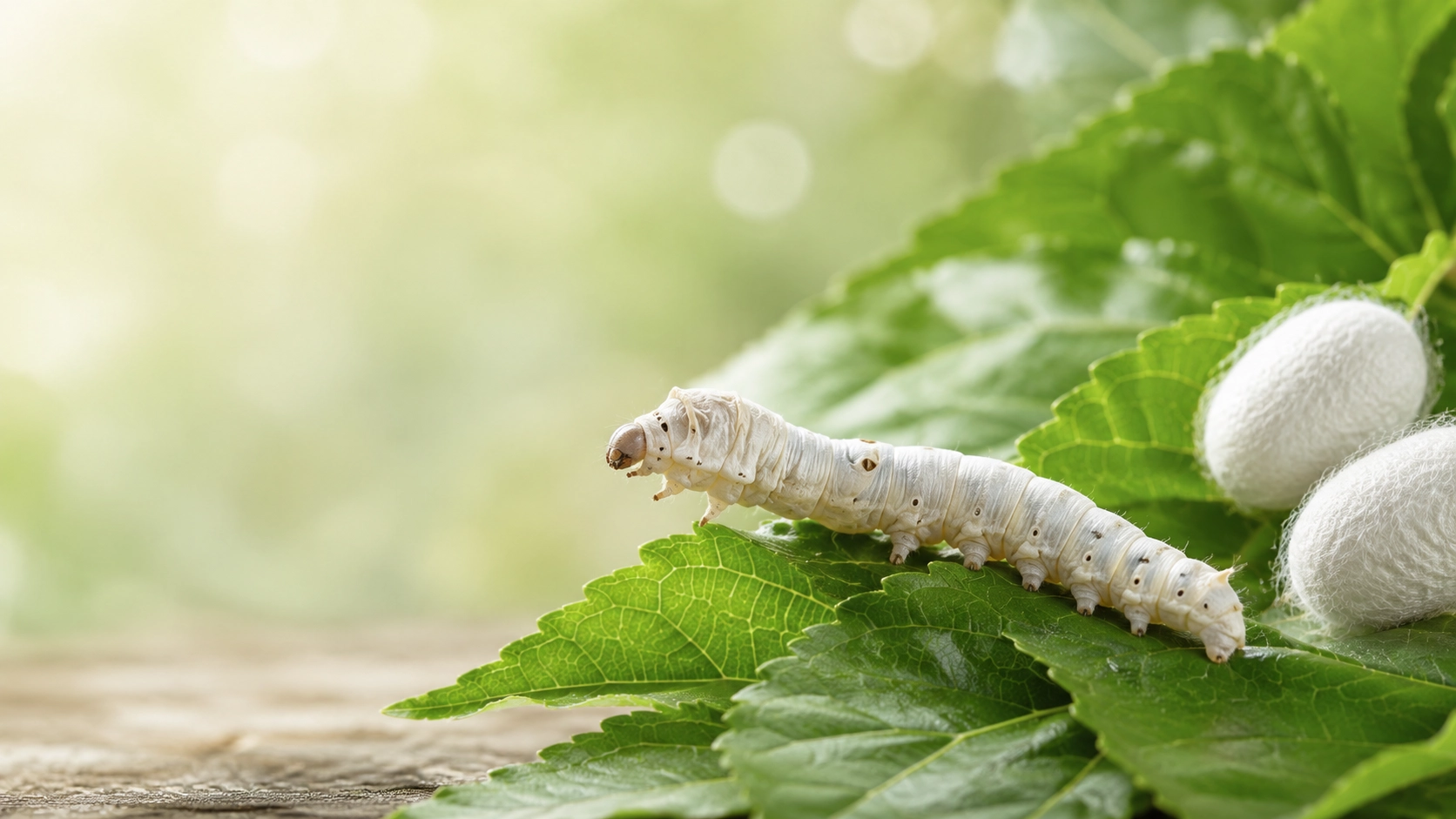
Raising Bombyx mori at home is a rewarding experience, but it comes with a non-negotiable commitment: the quality of the leaves you offer. After years of trial and error with different mulberry varieties, I can tell you that the difference between a thriving batch of silkworm larvae and a struggling one often comes down to what you put in their enclosure. Fresh mulberry leaves for silkworms are not just food; they are the foundation of their entire life cycle.
When I first started, I assumed any mulberry leaf would do. I was wrong. Silkworms are remarkably sensitive to leaf quality, moisture content, and even the time of day the leaves were picked. Bombyx mori has been domesticated for thousands of years, and their digestive systems have evolved to rely almost exclusively on Morus leaves. Understanding the nuances of this relationship can save you from common pitfalls and help you produce strong, healthy cocoons.
Which Mulberry Tree to Choose
Not all mulberry trees are created equal when it comes to feeding silkworms. The most common and widely recommended species is Morus alba, the white mulberry. Its leaves are tender, high in moisture, and have a balanced nutrient profile that supports rapid growth. In my experience, white mulberry leaves are the gold standard for early-stage larvae, especially during the first few instars.
Other species can work, but they come with trade-offs. Morus nigra, the black mulberry, produces leaves that are thicker and slightly more fibrous. While adult silkworms can handle them, young larvae often struggle to chew through the tougher texture. I have used black mulberry leaves in a pinch, but I noticed slower growth and a higher rate of leaf refusal. Similarly, Morus rubra, the red mulberry, has leaves that fall somewhere in between. They are softer than black mulberry but not as tender as white mulberry. If you have access to a red mulberry tree, it can serve as a secondary source, but I would not rely on it exclusively.
One practical tip: if you are unsure about the species, test a leaf on a small group of silkworms first. Watch how eagerly they eat and how quickly they finish the leaf. This simple observation has saved me from wasting whole batches of food.

Freshness and Storage: The Real Challenge
Here is where many beginners get into trouble. Silkworms are picky eaters, and they refuse wilted, dirty, or overly dry leaves. The phrase "mulberry leaves for silkworms" implies more than just picking a leaf off a tree. It means delivering a leaf that is alive, turgid, and free from pesticides or road dust.
I keep a small refrigerator dedicated to leaf storage. After picking, I rinse the leaves in cool water, shake off the excess, and store them in a sealed plastic bag with a slightly damp paper towel. This keeps them fresh for up to three days. Any longer than that, and the leaves start to lose moisture and nutritional value. If you cannot provide fresh leaves daily, you risk your silkworms entering a state of stress that can affect their molting and cocoon formation.
During summer heat, leaves wilt faster. I have learned to pick in the early morning when the leaves are still cool and hydrated. Midday picking often results in leaves that are already stressed from the sun, and silkworms can tell the difference. They will leave partially eaten leaves that look fine to us but lack the crispness they crave.
Feeding Across the Life Stages
Feeding changes as silkworms grow. Newly hatched silkworm larvae, often called first instar, need the youngest, most tender leaves. I cut these into small strips to make it easier for them to crawl onto the food and start eating. This stage is called chawki rearing in professional sericulture, and it demands the highest leaf quality. A mistake here can stunt the entire batch.
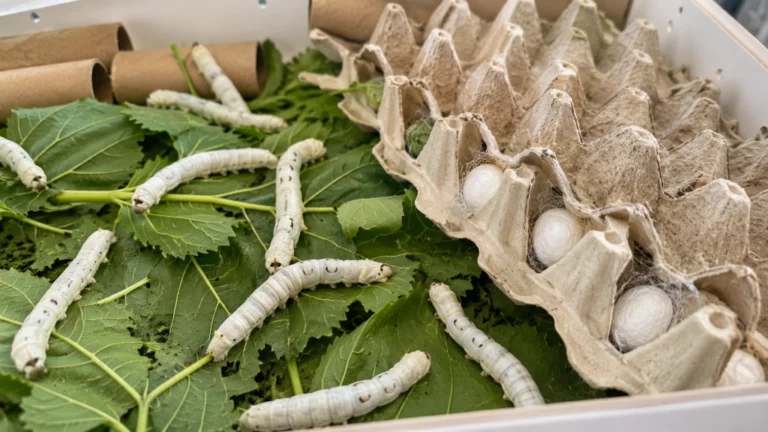
As the larvae grow through successive molts, they become less fussy. By the fourth and fifth instars, they can handle whole leaves, including the stems. But even then, leaf quality matters for silk production. A well-fed silkworm produces a cocoon with a strong, continuous silk thread. Poor nutrition leads to thin, uneven cocoons that are harder to reel.
One season, I tried feeding a mix of white mulberry and black mulberry leaves to see if it affected the silk. The silkworms ate both, but the cocoons from the white mulberry group were noticeably larger and had a smoother texture. The black mulberry group still produced usable cocoons, but the silk thread had more breaks during reeling. That experiment convinced me to stick with Morus alba as the primary food source.
Common Problems and How to Avoid Them
Even experienced keepers run into issues. Here are a few pitfalls I have encountered and how to work around them:
- Wilted leaves: Silkworms will stop eating if leaves lose turgor. Always store leaves properly and discard any that look limp.
- Pesticide contamination: Leaves from public trees or unknown sources can be sprayed. Wash thoroughly or source from a trusted tree.
- Overfeeding: Piling too many leaves can trap moisture and promote mold. Feed in layers and remove uneaten leaves daily.
- Leaf size for young larvae: Large leaves can smother tiny larvae. Cut them into small pieces until the silkworms are at least the third instar.
These are simple fixes, but they make a world of difference. I have seen entire colonies collapse from a single batch of contaminated leaves. Prevention is always easier than rescue.
Beyond Bombyx mori: Other Silkworm Species
While Bombyx mori is the most common species for home rearing, it is worth noting that other silkworm species have different dietary needs. The Tussar silkworm, for example, feeds on leaves of Terminalia trees, not mulberry. The Eri silkworm also prefers castor and other host plants, and the Muga silkworm feeds on som and soalu plants. If you ever decide to branch out, do not assume that mulberry leaves for silkworms apply across the board. Each species has evolved with its own host plant.
For the home hobbyist focused on Bombyx mori, however, mulberry is the only game in town. The hybrid silkworm race you choose may have slightly different growth rates or cocoon colors, but their dietary needs remain the same. I have raised several hybrid races over the years, and all of them thrived on fresh white mulberry leaves.
Seasonal Considerations and Backup Plans
Mulberry trees are deciduous in most climates, meaning they lose their leaves in winter. If you raise silkworms year-round, you need a plan for the cold months. Some keepers dry leaves in the fall and rehydrate them later, but I have found that silkworms do not take to dried leaves as readily. They will eat them, but growth slows, and cocoon quality drops.
A better approach is to root cuttings from your mulberry tree and grow them indoors under lights. I keep a few pots of Morus alba in my basement during winter. The leaves are smaller and less abundant, but they are fresh and well-received. It takes some effort, but it keeps the silkworm colony alive until spring.
Another option is to stagger your silkworm eggs so that you are not feeding a large colony during the leafless months. I time my hatching to coincide with the mulberry leaf flush in early spring. This aligns with natural sericulture cycles and reduces the need for artificial feeding.
Final Thoughts on Leaf Management
Managing mulberry leaves for silkworms is a daily practice, not a set-it-and-forget-it task. The leaves you offer directly influence the health of your silkworm larvae, the size of their cocoons, and the quality of the silk thread you can reel. Pay attention to the tree species, the freshness of the leaves, and the specific needs of each life stage. It takes a little extra effort, but the reward is a thriving colony and beautiful, usable cocoons.
If you are new to this, start with one small batch of silkworm eggs and a single white mulberry tree. Learn the rhythm of picking, storing, and feeding before scaling up. The lessons you learn from that first generation will carry you through many more.